Sofa Cleaning in Your Home: A Fresh Approach to Comfort, Hygiene, and Long-Lasting Upholstery
Keeping your living room clean is about more than dusting shelves and vacuuming floors. One of the most used and most overlooked pieces of furniture is the sofa. Whether you relax there after work, host guests on the weekend, or let the kids and pets take over the cushions, your couch absorbs everyday dirt, spills, body oils, odors, and allergens. That is why sofa cleaning matters so much for both appearance and indoor hygiene.
Professional sofa cleaning and smart at-home maintenance can make a dramatic difference in the way your furniture looks, feels, and lasts. A clean sofa instantly improves the atmosphere of a room, while regular upholstery care helps protect fabric fibers, preserve color, and reduce the buildup of dust mites and bacteria. If you are looking for a practical way to restore freshness, improve comfort, and extend the life of your furniture, sofa cleaning in your home should be a top priority.
In this article, we will explore why upholstery cleaning is important, how different materials respond to treatment, what methods work best, and how to maintain results over time. You will also learn the advantages of professional sofa cleaning services, common mistakes to avoid, and the best habits to keep your couch looking its best. Fresh upholstery creates a fresher home.
Why Sofa Cleaning Matters More Than Most People Realize
Your sofa is a high-traffic surface. Unlike a decorative chair or a spare bench, it is used constantly. Each day, tiny particles settle into the upholstery: dust, crumbs, pet hair, pollen, dead skin cells, and airborne pollutants. Over time, all of this builds up and becomes embedded in the fibers. Even if your couch appears clean at first glance, the hidden buildup may be affecting both the fabric and the air quality in your home.
Regular sofa cleaning helps eliminate these contaminants before they cause deeper issues. Clean upholstery can reduce odors, improve the look of your living space, and support a healthier environment for children, guests, and pets. For households with allergy concerns, upholstery care is especially important because fabric can trap irritants that are otherwise difficult to notice.
There is also a financial benefit. Replacing a quality sofa can be expensive, and neglect can shorten its lifespan significantly. When you invest in consistent couch cleaning, you help protect the stitching, padding, frame, and fabric surface. In other words, sofa cleaning is not just cosmetic; it is a smart maintenance decision that helps you save money over time.
Signs Your Sofa Needs Cleaning
Many homeowners wait until a stain becomes visible before thinking about upholstery care. However, a sofa often needs attention long before there is an obvious problem. One of the simplest ways to judge the condition of your furniture is by observing how it looks, smells, and feels during normal use.
If the color appears dull, the fabric feels sticky, or there is a lingering odor even after opening windows, it may be time for a deep sofa cleaning. Fabric that looks slightly darker in the seat area often contains oils and grime from repeated use. Pet owners may notice fur embedded in the weave or a persistent smell from accidental spills, sweat, or dampness.
Look out for these common warning signs:
- Visible spots, stains, or discoloration
- Dust or crumbs settling into seams and corners
- Unpleasant odors from food, pets, or moisture
- Allergy symptoms that worsen when sitting on the couch
- Fabric that feels rough, greasy, or dull
- Frequent pet hair buildup that is hard to remove
When Everyday Vacuuming Is Not Enough
Vacuuming is useful, but it only handles surface debris. Dirt deep within the upholstery needs more than a quick pass with a brush attachment. If your routine cleaning no longer restores freshness, deeper sofa cleaning methods are likely needed to lift embedded residue and refresh the fibers.
Understanding Different Upholstery Materials
Not all sofas are made the same, and the correct cleaning method depends heavily on the upholstery material. Using the wrong product or too much moisture can damage fabric, cause fading, or leave water rings behind. This is why understanding the material type is essential before starting any sofa cleaning process.
Common upholstery materials include cotton, linen, microfiber, leather, velvet, and synthetic blends. Each comes with specific care needs. For example, microfiber usually tolerates light moisture and gentle cleaning solutions, while leather requires conditioning and specialized cleaners that do not strip natural oils. Delicate fabrics such as velvet may require careful brushing and minimal liquid application.
Always check the manufacturer’s cleaning code, usually found on the sofa tag. These codes often indicate whether the fabric can be cleaned with water-based solutions, solvent-based products, or only professional methods. Matching the cleaning technique to the upholstery type is one of the most important steps in successful couch maintenance.
Common Cleaning Codes Explained
- W – Water-based cleaners are suitable
- S – Use solvent-based cleaners only
- WS – Water or solvent cleaners may be used
- X – Vacuum only; professional help is recommended
If you are unsure, it is safer to test a hidden area or consult a trained sofa cleaning specialist. Choosing the right approach protects the fabric and improves the final result.
Popular Sofa Cleaning Methods That Work
There are several effective ways to clean upholstered furniture, and the best method depends on the material, level of soiling, and type of stain. Some homeowners prefer light maintenance at home, while others choose professional upholstery cleaning for a deeper refresh. In many cases, the best outcome comes from combining both.
Steam cleaning is one of the most recognized approaches in sofa cleaning. It uses heat and moisture to loosen dirt and remove embedded debris. This can be especially helpful for synthetic fabrics, but it must be done carefully to avoid over-wetting. On the other hand, dry cleaning uses specialized compounds or solvents and is often better suited to delicate fabrics that cannot handle much water.
Here are several common methods:
- Vacuum cleaning – Removes loose dirt, crumbs, and pet hair from the surface and seams.
- Spot cleaning – Targets isolated stains with fabric-safe solutions.
- Steam extraction – Deep cleans fibers by loosening grime and drawing it out.
- Dry upholstery cleaning – Uses minimal moisture for sensitive fabrics.
- Leather cleaning and conditioning – Cleans the surface and restores softness.
Choosing the Best Approach for Your Couch
The right method depends on your sofa’s age, material, and condition. A newer microfiber couch may respond well to a gentle extraction process, while a vintage linen piece may require a more cautious, low-moisture technique. Professional sofa cleaning services can assess the material and use tailored equipment to achieve better results with less risk.
Always prioritize fabric safety over speed. A careful cleaning process protects your furniture from unnecessary wear.
How Professional Sofa Cleaning Services Add Value
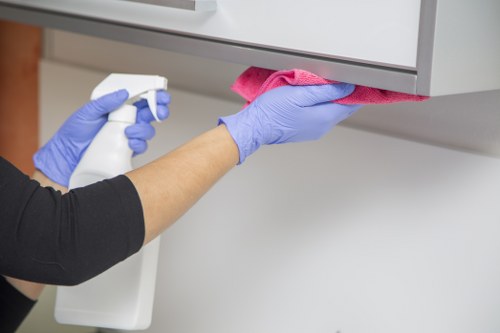
While at-home care is useful, professional sofa cleaning offers a level of detail that most homeowners cannot achieve with standard tools. Trained technicians use commercial-grade equipment, fabric-safe solutions, and specialized knowledge to clean upholstery thoroughly without causing damage. This deeper service can make an old, tired couch look significantly brighter and more comfortable.
One major advantage of professional sofa cleaning is the ability to remove deep-seated grime. Over time, dirt becomes packed into the fibers, and household vacuums or sprays may not be enough to fully remove it. Professional extraction systems can reach below the surface, lifting debris and reducing allergens more effectively.
Another benefit is stain treatment. Different stains require different strategies. Food spills, ink marks, beverage stains, pet accidents, and oil-based residue each react differently to cleaning agents. A trained upholstery cleaner can identify the best solution for the fabric and stain type, improving the chance of complete removal while reducing the risk of fabric damage.
Why Many Homeowners Choose Professional Help
- Deep cleaning that reaches hidden dirt
- Better odor removal
- Safer treatment for delicate upholstery
- Less chance of over-wetting or residue buildup
- Improved appearance and fabric freshness
- Longer furniture lifespan
If your couch is heavily used or has not been cleaned in a long time, booking a professional sofa cleaning appointment can be one of the best investments for your home.
DIY Sofa Cleaning Tips for Homeowners
You do not always need a full-service appointment to keep upholstery in good condition. Simple at-home habits can extend the life of your sofa and reduce the need for intensive treatment. The key is to clean regularly and address spills quickly before they settle into the fabric.
Start by vacuuming your sofa weekly using a soft brush attachment. Pay close attention to seams, cushions, and areas where dust tends to gather. This routine helps prevent debris from becoming embedded. For spot cleaning, use a fabric-safe cleaner and blot gently rather than scrubbing. Rubbing can spread the stain or push it deeper into the material. Good sofa cleaning habits begin with consistency.
Before applying any product, test it in a hidden spot to make sure it does not discolor the fabric. Use only a small amount of moisture, and allow the area to dry fully before using the sofa again. Good ventilation speeds drying and reduces the risk of musty odors. If your sofa has removable cushion covers, follow the care label instructions closely.
Simple DIY Maintenance Steps
- Vacuum weekly to remove dust and crumbs
- Rotate cushions to balance wear
- Blot spills immediately
- Use fabric-safe cleaners only
- Keep pets’ paws and fur under control
- Air out the room to support drying
These steps do not replace deep sofa cleaning, but they help preserve freshness between professional visits.
Common Sofa Cleaning Mistakes to Avoid
Many upholstery problems happen because of well-intentioned but incorrect cleaning methods. Using too much product, scrubbing aggressively, or ignoring fabric instructions can create more harm than good. Avoiding these mistakes can save time, money, and frustration.
One of the most common errors in sofa cleaning is using too much water. Excess moisture can soak into the padding and take too long to dry, leading to odors, mold risk, or water stains. Another mistake is applying a random household cleaner without checking whether it is safe for upholstery. Some products leave residue or cause fading.
It is also important not to overlook drying time. Sitting on a damp couch or covering it too soon can trap moisture inside the fabric. Likewise, brushing the wrong material too aggressively may damage fibers or change the texture. If your sofa has a special finish or delicate weave, professional care is often the safest option.
Mistakes That Can Shorten Sofa Life
- Scrubbing stains instead of blotting them
- Using harsh chemicals on delicate upholstery
- Over-wetting the fabric or cushions
- Skipping vacuuming before spot treatment
- Ignoring cleaning codes and care labels
- Not allowing enough time for full drying
Careful technique is a major part of effective sofa cleaning. A gentle, informed approach protects both appearance and structure.
How Often Should You Clean a Sofa?
The ideal cleaning schedule depends on lifestyle, household size, pets, and how often the sofa is used. A family room couch that gets daily use will need more attention than a formal sitting area that is used only occasionally. In general, regular maintenance should happen weekly, while deeper upholstery cleaning should be done periodically.
For many homes, professional sofa cleaning once or twice a year is a practical baseline. Homes with children, pets, allergy sensitivities, or heavy entertaining may benefit from more frequent service. Between those deep cleans, keeping up with vacuuming and spot treatment helps maintain a clean and inviting look.
Here is a simple schedule that many homeowners follow:
- Weekly – Vacuum surfaces and seams.
- Monthly – Check for stains, odors, and wear.
- Every 6 to 12 months – Arrange professional upholstery cleaning.
- As needed – Treat spills immediately and safely.
If your sofa is placed near windows, fireplaces, or high-traffic walkways, you may need more frequent care because dust and residue accumulate faster. Regular sofa cleaning keeps small problems from becoming expensive ones.
Benefits of a Clean Sofa for Home Comfort and Health
A clean sofa does more than look attractive. It improves the overall feeling of your home. When the upholstery is fresh, guests notice it immediately, and you feel more comfortable relaxing on it every day. The room smells cleaner, the colors appear brighter, and the furniture feels more inviting.
There are also health-related benefits. Dust, pollen, and pet dander trapped in fabric can contribute to irritation for sensitive individuals. Routine sofa cleaning helps reduce these irritants and creates a better environment for everyone in the household. For homes with children who sit, crawl, or nap on the couch, clean upholstery adds an important layer of everyday hygiene.
Beyond health and appearance, clean furniture supports mental comfort too. A neat, fresh living room can make the entire home feel more organized and peaceful. That is why many homeowners treat couch cleaning as part of a broader home care routine rather than an occasional chore.
Practical Reasons to Keep Upholstery Fresh
- Improves indoor air quality
- Helps reduce allergens and odors
- Makes living spaces more welcoming
- Preserves fabric quality and color
- Supports a cleaner home environment
If you have been delaying upholstery maintenance, now is the right time to act. Book your service now and enjoy the comfort of a cleaner, fresher sofa.
Final Thoughts on Sofa Cleaning in Your Home
Taking care of your sofa is one of the most effective ways to keep your living space looking polished and feeling comfortable. From daily use to accidental spills, upholstery takes on a surprising amount of wear. With the right routine, however, your couch can stay attractive, clean, and inviting for years.
Whether you handle maintenance at home or rely on professional sofa cleaning services, consistency is the key. Vacuum regularly, respond to stains quickly, and choose cleaning methods that match your fabric type. If your furniture needs a deeper refresh, a trained upholstery cleaner can restore freshness and help protect your investment.
Contact us today to take the next step toward a cleaner home environment and a sofa that looks as good as it feels. With proper care, your couch can remain the centerpiece of your living room rather than a source of hidden dirt and odors. Clean upholstery, after all, is a simple luxury that makes everyday life better.
Make sofa cleaning part of your routine
Sofa cleaning is not just about removing stains; it is about maintaining comfort, improving hygiene, and protecting your furniture for the long term. When you give your couch the care it deserves, your entire home benefits from the result.