Pet Stain Odour Removal: Fresh, Clean Spaces for Every Pet Owner
Understanding Pet Stain Odour Removal and Why It Matters
Pet stain odour removal is more than a housekeeping chore; it is an important part of keeping your home healthy, comfortable, and pleasant for everyone who lives there. Whether you share your space with a playful puppy, a curious cat, or an older pet that has occasional accidents, lingering smells and visible stains can quickly become frustrating. The longer pet messes sit, the deeper they can penetrate into carpet fibers, upholstery, grout, subflooring, and even wall surfaces.
What makes pet stain odour removal so challenging is that pet accidents are not just surface-level issues. Urine, feces, vomit, and other organic stains often contain compounds that bond with materials and create persistent odours. A quick spray of air freshener may mask the smell for a short time, but it does not solve the problem. True pet stain odour removal requires identifying the source, treating the affected area properly, and preventing future recurrence.
For many households, effective pet stain odour removal is also about protecting the value of their home. Stains that are left untreated can discolor carpet, damage hardwood finishes, and create embedded odours that are difficult to eliminate. Using the right approach can save time, reduce stress, and keep your living environment welcoming. Clean surfaces, fresh air, and proper treatment methods are the foundation of long-lasting results.
Why Pet Stain Odour Removal Is Different from Regular Cleaning
Standard cleaning methods often fall short when it comes to pet stain odour removal because pet accidents are biologically complex. Urine, for example, contains uric acid crystals that can remain in carpets and fabrics long after the visible stain is gone. These crystals may reactivate with humidity, heat, or moisture, causing the odour to return. That is why a room can seem clean one day and smell unpleasant again the next.
Another reason pet stain odour removal requires special attention is that pets themselves can be attracted to areas where they previously marked or soiled. If a smell remains, your pet may interpret that area as an acceptable bathroom spot. This can create a repeating cycle of accidents, making the issue harder to control. Proper odour neutralization helps break that pattern and supports better house training.
Professional-grade pet stain odour removal methods focus on neutralizing odours rather than covering them. That means targeting the enzymes, bacteria, and organic residues responsible for the smell. The best solutions are designed to penetrate deep into materials and eliminate the cause at its source. This is especially important for carpets, cushions, and mattresses where residue can be hidden below the surface.
Common Areas That Need Pet Stain Odour Removal
Pet accidents can happen in almost any part of the home, but some areas are more vulnerable than others. Carpeted rooms are among the most common trouble spots because fibers absorb liquid quickly and trap odours. Area rugs, upholstered furniture, pet beds, and mattresses are also frequent targets for pet stain odour removal. Even hard surfaces such as tile grout and laminate seams can hold odour if the accident is not cleaned promptly.
Here are some of the most common places where pet stain odour removal may be needed:
- Carpets and rugs
- Upholstered sofas and chairs
- Pet beds and blankets
- Mattresses and box springs
- Wood floors and baseboards
- Tile grout and porous stone
- Car interiors and floor mats
Odours can also travel beyond the obvious stain area. For example, a urine accident on carpet may seep into padding and subflooring, making the smell seem larger than the visible spot. In these cases, pet stain odour removal must address both the upper material and the hidden layers underneath. That is why deep treatment is so often necessary.
Effective Methods for Pet Stain Odour Removal at Home
1. Act Quickly
The sooner you begin pet stain odour removal, the easier it is to prevent permanent staining and lingering smell. Fresh accidents are much simpler to treat than older ones. Blot up excess moisture immediately with paper towels or a clean cloth, taking care not to rub the spot into the material. Rubbing can spread the stain and push it deeper into the fibers.
After blotting, use a cleaner formulated specifically for pet stain odour removal. Enzyme-based cleaners are highly effective because they break down organic matter rather than simply deodorizing the area. Apply according to the product instructions and allow adequate dwell time so the formula can work fully.
Do not use steam on fresh pet stains before the odour has been fully treated. Heat can set some stains and make odours harder to remove. A careful, measured approach will usually provide better long-term results and reduce the chance of repeat accidents.
2. Use Enzyme Cleaners
Enzyme cleaners are often considered the gold standard in pet stain odour removal because they target the components that cause smells. These cleaners contain beneficial enzymes and sometimes bacteria that digest urine, feces, and vomit residues. When used correctly, they can neutralize the odour source and help restore freshness.
For best results, saturate the affected area enough to reach the same depth as the original accident. If the pet stain odour removal process only treats the visible top layer, the hidden residue may remain. Always follow manufacturer directions and allow the treated area to air dry completely.
Consistency matters. Reapplying the cleaner may be necessary for older or larger stains, especially if the smell has already soaked into backing or padding. Patience is essential when dealing with stubborn pet odours.
Deep Cleaning Strategies for Tough Pet Stain Odour Removal
Some messes require more than a surface cleaner. If the stain has been present for some time or if the odour keeps returning, deeper treatment is usually needed. Carpet extraction, upholstery cleaning, and sub-surface odour neutralization can all play a role in successful pet stain odour removal. These methods are especially useful when dealing with repeated accidents in the same spot.
One effective strategy is to use a wet vacuum or carpet extractor after applying an enzyme solution. This can help lift contamination from the fibers and remove excess moisture. For upholstery, a careful spot treatment combined with gentle extraction can reduce both staining and smell. Always test a small hidden area first to make sure the fabric or surface will not discolor.
For hard floors, pet stain odour removal may involve cleaning grout lines, corners, and edges where liquid can seep below the surface. Use a pH-appropriate cleaner and avoid harsh chemicals that could damage finishes. In more severe cases, sealing porous surfaces after cleaning may help prevent future odour absorption.
When Odour Has Reached Padding or Subflooring
If a pet accident has soaked through carpet into padding or wood underneath, the solution may require lifting the carpet for a deep treatment. This level of pet stain odour removal is often necessary when the smell persists even after repeated cleaning. Treating only what you can see is rarely enough when the underlying material has absorbed the contaminants.
In such situations, a professional assessment can save time and reduce the risk of lingering odour. The goal is not only visible cleanliness, but also complete neutralization of the source. That is what truly makes a home feel fresh again.
DIY Pet Stain Odour Removal vs. Professional Service
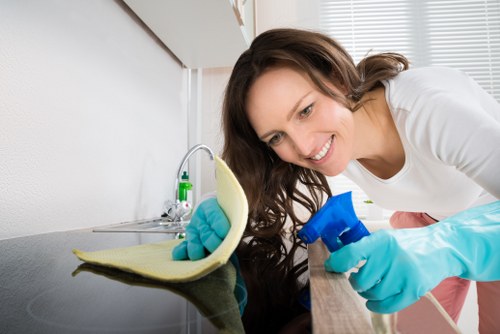
Many homeowners start with DIY pet stain odour removal because it is convenient and cost-effective. For fresh, minor accidents, home treatment can work very well. Enzyme sprays, absorbent materials, and diligent blotting often solve the problem before it spreads. For routine maintenance, this can be a practical first line of defense.
However, there are times when professional pet stain odour removal is the smarter option. Large stains, repeated accidents, strong ammonia-like smells, and stains that have set for weeks or months may not respond fully to household products. Professionals often use specialized equipment and high-strength treatments that can reach deeper than consumer-grade cleaners.
Here is a simple comparison:
- DIY treatment works best for fresh, small accidents.
- Professional treatment is better for deep, old, or recurring odours.
- Extraction equipment can remove residue from carpets and upholstery more effectively.
- Odour detection tools can help locate hidden contamination.
- Targeted sealing or restoration may be needed for damaged materials.
In other words, the right approach depends on the size, age, and location of the stain. Sometimes a combination of DIY care and expert pet stain odour removal delivers the best outcome. If a smell keeps returning, it usually means the source has not been fully eliminated.
Preventing Future Pet Stains and Odours
Build Better Habits
Successful pet stain odour removal should be paired with prevention. Establishing consistent bathroom routines, regular walks, and litter box maintenance can significantly reduce accidents. Young pets may need more frequent trips outside or more accessible litter areas, while older pets may benefit from health checks and easier access to relief spots.
Training and routine are powerful tools. Rewarding appropriate behavior helps pets understand where they should go. If accidents happen often, it may be a sign of stress, illness, or inadequate access to a bathroom area. Addressing the root cause can reduce the need for ongoing pet stain odour removal.
Preventive measures also include using washable covers on furniture, keeping enzyme cleaner on hand, and cleaning accidents immediately. The faster you respond, the less likely odours are to settle into fabrics and flooring.
Protect High-Risk Surfaces
Some surfaces are more difficult to clean than others, so protecting them can reduce long-term maintenance. Waterproof mattress covers, throw blankets, machine-washable slipcovers, and stain-resistant rugs are all helpful tools. These items make pet stain odour removal easier because they limit how deeply accidents can penetrate.
In homes with multiple pets, it may also help to place mats or training pads in strategic locations. While these are not replacements for proper house training, they can lower the risk of stains on carpets and upholstered items. A proactive setup can save you from repeated deep-cleaning sessions.
Choosing the Right Products for Pet Stain Odour Removal
What to Look For
Not all cleaning products are equally effective for pet stain odour removal. Some sprays simply perfume the area, while others use chemicals that may damage fabrics or leave residues behind. When choosing a product, look for one that is specifically labeled for pet messes and designed to neutralize organic odours.
- Enzyme-based formulas for breaking down organic residue
- Non-toxic ingredients for homes with pets and children
- Surface-specific use for carpet, fabric, hard floors, or upholstery
- No residue finish to avoid attracting dirt
- Odour neutralization rather than masking
Reading product instructions carefully is essential. Some cleaners require soaking time, while others work best when gently scrubbed or extracted. Using the product properly can make a major difference in the outcome of pet stain odour removal. For delicate materials, always spot test before full application.
Avoid Common Mistakes
A few common mistakes can make pet stain odour removal harder than it needs to be. These include using too much water, applying heat too soon, scrubbing aggressively, and combining random cleaners without checking compatibility. In some cases, mixing chemicals can be unsafe and may damage the surface being treated.
Another frequent mistake is waiting too long before cleaning. Even small accidents can create large odour problems if they are left untreated. Quick response, proper product choice, and careful application are the three best habits for reliable results.
How Pet Stain Odour Removal Supports a Healthier Home
Beyond appearance and comfort, pet stain odour removal contributes to better indoor hygiene. Organic waste can attract bacteria and create unpleasant living conditions if not cleaned thoroughly. Removing stains and odours promptly helps keep your home cleaner, fresher, and more inviting.
For allergy-sensitive households, thorough cleaning can also reduce irritants trapped in carpets and upholstery. Pet odours often go hand in hand with dander, debris, and moisture. By handling stains properly, you are not only removing smell but also improving the overall quality of the environment.
A fresh-smelling home has a direct impact on daily comfort. Guests notice it, family members appreciate it, and pets benefit from clearer boundaries in the home. Good pet stain odour removal practices create a cleaner routine for everyone.
When to Seek Professional Pet Stain Odour Removal
There are situations where professional support is the most efficient and effective choice. If you have tried multiple cleaning rounds and the smell remains, the contamination may have reached deep into the structure of the home. Likewise, if pet stain odour removal is needed in a large area, such as an entire room or multiple rooms, professional equipment can save significant time and effort.
Signs that professional help may be needed include:
- Persistent odour after repeated cleaning
- Visible staining that does not lift
- Accidents in carpet padding or subflooring
- Strong odour in humid or warm weather
- Multiple accident zones in the same room
Professional pet stain odour removal services often use deeper extraction methods, specialized odour neutralizers, and advanced detection techniques to locate hidden problem areas. This can be especially valuable in homes with older carpeting, sensitive materials, or recurring pet issues.
If you are tired of battling stubborn smells, book your service now and take the first step toward a cleaner, fresher home. Contact us today to restore comfort and confidence in your space.
Final Thoughts on Pet Stain Odour Removal
Pet stain odour removal is one of the most practical skills any pet owner can learn. With the right timing, products, and methods, most household accidents can be handled effectively before they become long-term problems. Whether you are dealing with a fresh spill or a stubborn old odour, the key is to treat the source thoroughly and prevent it from returning.
From carpets and rugs to upholstery and hard floors, every surface benefits from a thoughtful approach. Consistent care, quick cleanup, and proper cleaning techniques make a noticeable difference. When needed, professional pet stain odour removal can provide a deeper solution and help protect your home’s cleanliness and comfort.
Freshness starts with action. If pet accidents have left your home smelling less than ideal, now is the perfect time to take control. Use the right methods, stay consistent, and enjoy a cleaner space that feels welcoming every day.