Insurance and Safety
 Creating a safe, well-prepared working environment starts with clear standards, reliable protection, and a strong understanding of responsibility. Our approach to insurance and safety is built around prevention, compliance, and practical action. We combine public liability insurance, structured staff training, suitable PPE, and a thorough risk assessment process to help reduce hazards and support day-to-day operations. Whether work is being carried out in busy public areas, on private property, or in dynamic site conditions, our focus remains on safeguarding people, property, and professional standards.
One of the foundations of our safety framework is comprehensive public liability insurance. This cover helps protect against claims related to accidental injury or property damage that may occur during our work activities. It provides reassurance that risks are managed with care and that appropriate protections are in place before any task begins. In practical terms, this means every project is approached with responsibility, from initial planning through to completion. Our insurance arrangements are reviewed regularly to ensure they remain suitable for the type of work undertaken and the environments in which we operate.
Alongside insurance, staff training plays a critical role in maintaining safe working practices. Team members receive instruction relevant to their duties, including safe equipment use, hazard awareness, emergency response, and correct communication procedures. Training is not treated as a one-time event; it is refreshed and updated so that staff remain confident and capable as methods, regulations, and operational needs evolve.  This commitment to continuous learning supports a consistent safety culture and helps ensure that tasks are carried out with care, accuracy, and awareness.
Personal protection is another essential part of our health and safety approach. The use of PPE is determined by the nature of the work, the location, and the specific risks identified. This may include items such as helmets, gloves, eye protection, high-visibility clothing, safety footwear, or respiratory protection where required. PPE is selected to provide a practical barrier against foreseeable hazards, but it is always used alongside other controls rather than as the sole safeguard. Correct fitting, proper maintenance, and regular inspection are all important to ensure that protective equipment remains effective.
Our risk assessment process is designed to identify hazards early and reduce the likelihood of incidents before they happen. Each assessment begins with a careful review of the task, the environment, the equipment involved, and the people who may be affected. Risks are evaluated according to their likelihood and potential impact, after which appropriate control measures are put in place. These may include changing the work method, isolating hazards, improving supervision, or adding protective equipment.  This structured process is essential for delivering reliable site safety and ensuring that decisions are based on clear, practical information rather than assumption.
Risk assessments are also living documents. As conditions change, the assessment is revisited so that controls remain effective and relevant. This is particularly important where work environments are unpredictable or where multiple activities take place at the same time. By reviewing risks in real time and updating measures when needed, we maintain a proactive safety culture that supports both workers and the public.
Our commitment to workplace safety goes beyond meeting minimum requirements. We aim to build a system where prevention, preparation, and accountability work together. Clear procedures help staff understand expectations, while strong supervision ensures that standards are followed consistently. Good communication is equally important, allowing concerns to be raised quickly and resolved before they become serious issues. This joined-up approach improves efficiency while reducing the chance of avoidable disruption.
To reinforce this, equipment and work areas are checked regularly so that potential problems can be identified at an early stage. Any defects, unusual conditions, or unsafe situations are addressed without delay. Safe practice is supported by planning, monitoring, and a willingness to adapt when new information becomes available. By combining insurance cover, trained personnel, and a robust assessment system, we create a safer environment for everyone involved.
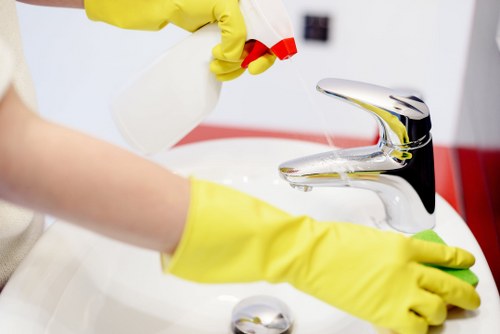 Before any activity starts, the relevant safety measures are confirmed and all necessary resources are made available. This includes reviewing the task plan, checking that PPE is ready for use, and making sure that team members understand their responsibilities. In more complex situations, additional controls may be introduced to manage higher levels of risk. These steps help ensure that risk management remains practical, proportionate, and effective in real working conditions.
Our overall philosophy is simple: strong preparation leads to safer outcomes. That is why our approach to insurance and safety is integrated into everyday operations rather than treated as a separate requirement. Public liability insurance provides important financial protection, staff training strengthens competence, PPE helps reduce exposure to hazards, and the risk assessment process ensures that each job is examined carefully before work begins. Together, these measures create a dependable framework for safe and responsible delivery.
 By maintaining high standards across all these areas, we support a professional environment where safety is built into every stage of the work. This approach protects people, reduces unnecessary risk, and demonstrates a clear commitment to responsible practice. Whether managing routine tasks or more demanding conditions, we place safe working methods at the centre of everything we do.